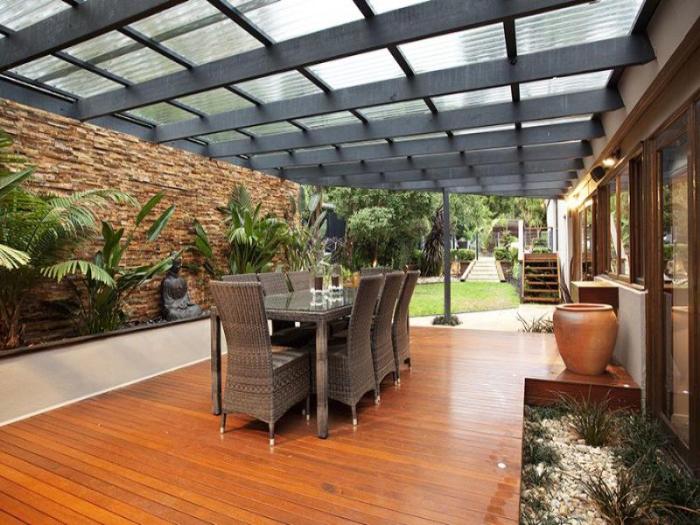
Seamless Indoor Outdoor Living Design Guide
Seamless indoor-outdoor living is more than just open doors; it’s about creating a fluid, harmonious space where the inside and outside blend seamlessly. This guide explores the key elements – from architectural design and material choices to landscaping and technological integration – needed to achieve this coveted lifestyle. We’ll cover everything from choosing the right flooring to incorporating smart home technology for ultimate comfort and convenience.
Imagine waking up to the sun streaming through expansive windows, seamlessly connecting your bedroom to a lush garden. Picture yourself effortlessly entertaining guests, transitioning from a sophisticated indoor dining area to a relaxed outdoor patio. This isn’t a dream; it’s a design achievable with careful planning and the right approach. This guide provides a practical, step-by-step approach to achieving your perfect blend of indoor and outdoor living.
Defining Seamless Indoor-Outdoor Living
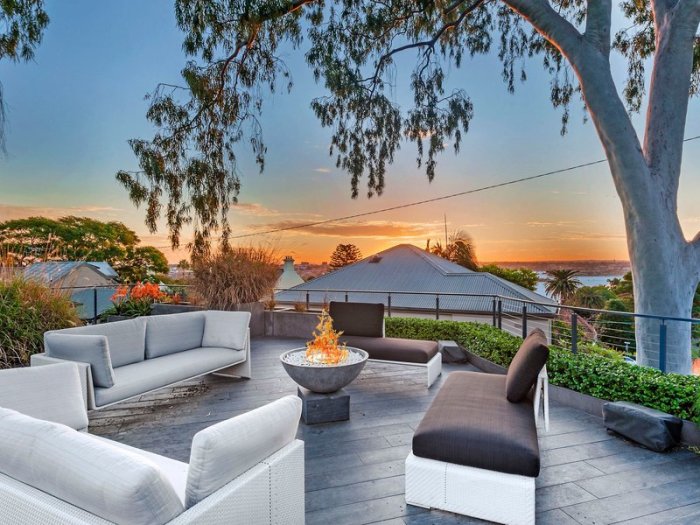
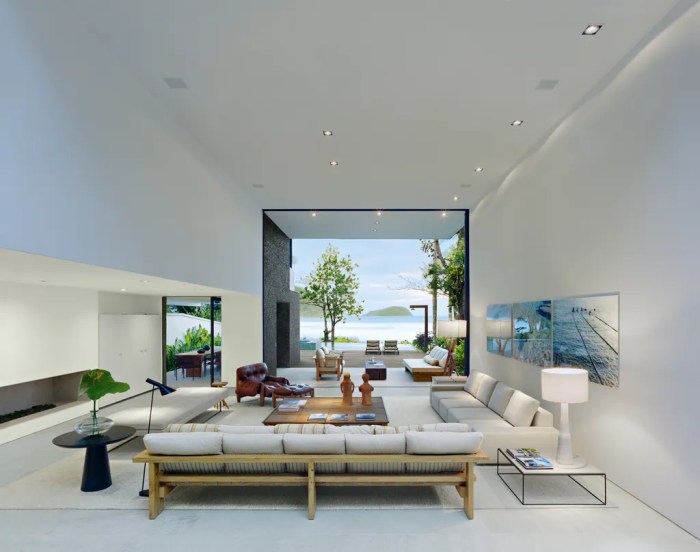
Source: architecturaldigest.com
Seamless indoor-outdoor living is a design philosophy that aims to blur the lines between interior and exterior spaces, creating a unified and expansive living environment. It’s about maximizing natural light, bringing the outdoors in, and extending the living space beyond the confines of the walls. This approach fosters a stronger connection with nature and enhances the overall comfort and enjoyment of the home.
The core principles revolve around creating visual and physical continuity between inside and outside areas. This is achieved through careful consideration of architectural design, material selection, and landscaping. The goal is to make the transition between spaces feel natural and effortless, almost invisible.
Key Features Contributing to Fluid Spaces
Key features that contribute to the feeling of fluidity include large windows or glass walls that offer unobstructed views, consistent flooring materials that extend from indoors to outdoors, similar color palettes and textures used in both spaces and the strategic placement of furniture to seamlessly connect the two areas. Outdoor features such as patios, decks, and verandas should be designed as extensions of the interior rooms, not separate entities. Careful landscaping also plays a significant role, creating a visually appealing transition and softening the boundaries between the built environment and the natural world.
Architectural Styles that Facilitate Seamless Flow
Several architectural styles are particularly well-suited to seamless indoor-outdoor living. Mediterranean architecture, with its emphasis on open courtyards and expansive terraces, naturally promotes a fluid connection between the inside and outside. Modern and contemporary styles often utilize large expanses of glass and minimalist designs to create a sense of openness and connection to the surrounding environment. Ranch-style homes, with their low-slung profiles and easy access to outdoor spaces, also lend themselves well to this design approach. Even traditional styles can be adapted, often by incorporating large French doors or expanding existing openings.
Comparison of Approaches to Achieving Seamless Indoor-Outdoor Living
The following table compares different methods for achieving seamless indoor-outdoor flow:
| Approach | Description | Pros | Cons |
|---|---|---|---|
| Sliding Doors | Large sliding glass doors that can be fully retracted or opened to create a wide opening between indoor and outdoor spaces. | Cost-effective, readily available, and offers good insulation when closed. | Can be bulky, may not offer complete openness, potential for drafts. |
| Retractable Walls | Folding or sliding walls are made of glass or other materials that can be completely retracted to eliminate the barrier between the inside and outside. | Maximum openness creates a truly seamless transition. | High cost, complex installation, potential for maintenance issues. |
| Open-Plan Layouts | Interior design that minimizes walls and partitions, creating a flowing space that naturally extends to the outdoors. | Creates a sense of spaciousness, enhances natural light penetration, and promotes visual connectivity. | May lack privacy in certain areas, and requires careful planning to maintain functionality. |
| Bi-Fold Doors | Doors that fold in sections, allowing for complete opening and maximizing the connection between interior and exterior. | It offers flexibility in opening size, can be customized to fit various openings, relatively easy to install compared to retractable walls. | Can be more expensive than sliding doors, and may not be suitable for all architectural styles. |
Materials and Finishes for Seamless Transition
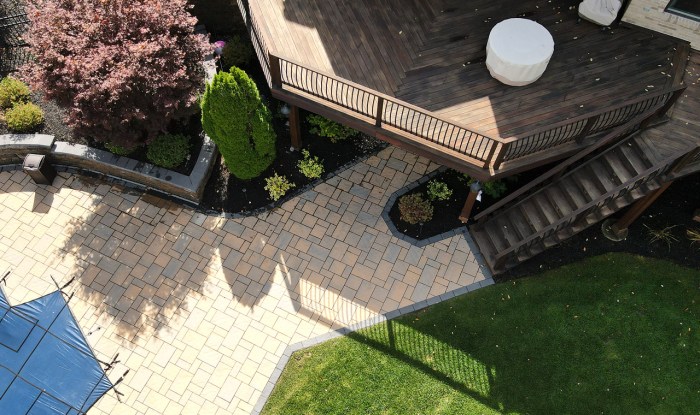
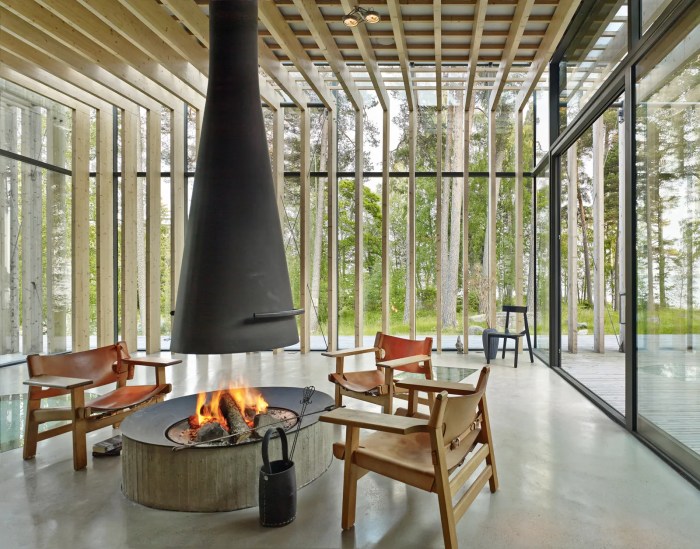
Source: architecturaldigest.com
Creating a truly seamless indoor-outdoor living space relies heavily on thoughtful material and finish selection. The goal is to visually and texturally connect the interior and exterior, blurring the lines between the two environments and fostering a sense of calm continuity. This is achieved not just through the materials themselves, but also through a carefully chosen color palette and consistent application of finishes.
Building Material Selection for Visual and Textural Continuity
The key to a successful transition is selecting building materials that share visual characteristics. Consider using the same or similar materials indoors and out, or materials that complement each other in color and texture. For instance, extending natural stone flooring from the patio into the living area, or using the same type of wood for both interior walls and exterior decking, creates a unified look. Similarly, the use of exposed beams or brickwork can be employed consistently in both spaces to build a visual connection. Even the use of similar metals, such as steel or aluminum, in window frames and outdoor furniture can subtly unify the spaces. The aim is to create a harmonious flow, preventing abrupt changes in material that would disrupt the seamless effect.
Color Palettes and Finishes for Cohesive Aesthetics
Color is crucial in unifying indoor and outdoor spaces. Sticking to a consistent color palette across both areas helps create a sense of flow and spaciousness. Consider using a neutral base palette – think warm grays, soft creams, or earthy browns – and then introducing pops of color through accessories and furniture. These accent colors can be strategically used in both the interior and exterior to create a cohesive theme. For finishes, maintaining consistency is key. For example, using the same type of paint or stain on both interior and exterior wood elements creates a visually unified space. Similarly, matching metal finishes on light fixtures and outdoor furniture reinforces the seamless transition.
Flooring Options for Indoor and Outdoor Use
Choosing the right flooring is critical for seamless indoor-outdoor flow. Several options offer both durability and aesthetic appeal for both environments. Natural stone, such as slate, travertine, or flagstone, is a popular choice due to its durability and natural beauty. These materials can be used consistently indoors and outdoors, creating a unified look. Porcelain tiles designed for outdoor use are another excellent option, offering a wide range of styles and colors that mimic natural materials. These are highly durable and resistant to weather. However, consider the maintenance requirements of each material. While natural stone can be beautiful, it may require more upkeep than porcelain tiles. For a more budget-friendly option, consider large-format concrete slabs or stamped concrete, which can be designed to resemble other materials like stone or wood.
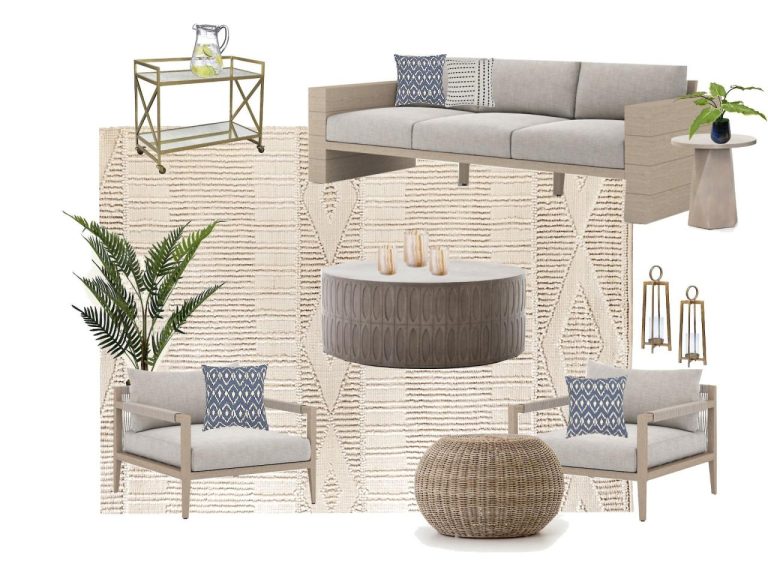
Sample Material Palette for a Seamless Indoor-Outdoor Space, Seamless indoor-outdoor living
Imagine a space utilizing a neutral palette of warm gray and beige. The flooring consists of large-format, light-gray porcelain tiles that extend seamlessly from the interior living area onto a covered patio. Interior walls are painted in a soft beige, complemented by exposed wooden beams that visually connect to the outdoor pergola, which is also constructed from the same type of wood. The wood has a natural, slightly weathered finish, creating a sense of rustic charm. Outdoor furniture features aluminum frames with beige cushions, echoing the beige wall color and creating a cohesive aesthetic. The overall texture is a blend of smooth porcelain, rough-hewn wood, and the slightly cool, smooth feel of the aluminum. This combination creates a visually appealing and texturally rich space that feels both inviting and unified.
Furniture and Decor for Indoor-Outdoor Harmony
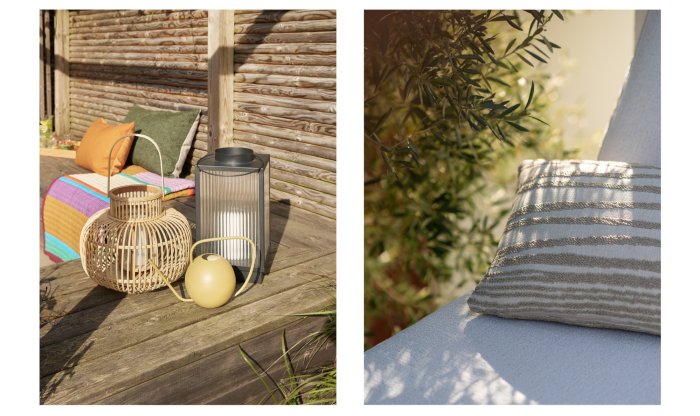
Source: e-architect.com
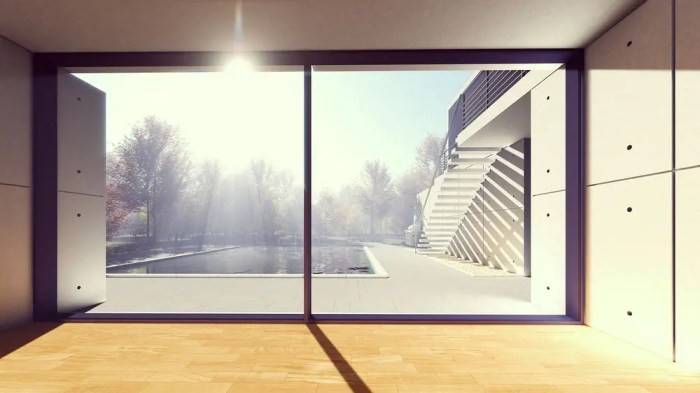
Creating a seamless indoor-outdoor flow requires careful consideration of your furniture and decor. The goal is to establish a cohesive aesthetic that feels natural and inviting, whether you’re inside or outside. This involves selecting pieces that complement each other in style, material, and color, blurring the lines between the two spaces.
Choosing furniture that works effortlessly in both environments is key. Think about the visual weight and scale of pieces, selecting items that won’t look out of place whether they are on a patio or in a sunroom.
Furniture Styles for Seamless Transition
The best furniture for indoor-outdoor living is durable, weather-resistant, and aesthetically pleasing in both settings. Wicker, rattan, and teak are classic choices that have a timeless appeal and stand up well to the elements. Aluminum furniture, often powder-coated for extra protection, is another excellent option, offering lightweight yet sturdy construction. For a more modern look, consider sleek, minimalist designs in weather-resistant materials like concrete or steel. Remember to choose pieces with comfortable cushions that can be easily cleaned or replaced. For example, a stylish wicker sofa with plush, outdoor-rated cushions can effortlessly transition from a covered patio to a sun-drenched living room. Similarly, a set of aluminum dining chairs with weatherproof fabric cushions will work just as well on a deck as they will in a bright kitchen.
Key Design Elements for Cohesive Look
Maintaining a consistent design language across indoor and outdoor spaces is crucial. This can be achieved through the use of similar color palettes, textures, and patterns. For instance, if your indoor living room features neutral tones with pops of blue, consider using the same color scheme in your outdoor space. Repeating patterns, such as a geometric print on indoor throw pillows and outdoor cushions, also help to visually connect the two areas. The use of natural materials, such as wood and stone, can also create a sense of continuity between the interior and exterior. Imagine a living room with a hardwood floor flowing seamlessly onto a patio paved with flagstone; the similar earthy tones and textures create a harmonious flow.
Suitable Fabrics and Materials for Outdoor Furniture
Choosing the right fabrics and materials for outdoor furniture is paramount for durability and longevity. Outdoor fabrics should be resistant to fading, mildew, and water damage. Solution-dyed acrylic is a popular choice, known for its colorfastness and ability to withstand harsh weather conditions. Olefin is another excellent option, offering exceptional strength and stain resistance. For cushions, consider quick-drying foams and fillings to prevent mold and mildew buildup. Wicker and rattan, while beautiful, require occasional sealing or oiling to maintain their integrity. Aluminum and steel are low-maintenance options that require minimal upkeep, while teak, a naturally durable hardwood, only needs occasional cleaning and oiling to preserve its rich color and luster.
Decorative Accessories for Enhanced Connection
Decorative accessories can significantly enhance the connection between indoor and outdoor spaces. Consider using similar rugs, both indoors and outdoors. Outdoor rugs made from durable materials like polypropylene or recycled plastic are specifically designed to withstand the elements. Plants, both potted and in the ground, are a fantastic way to blur the lines between inside and out. Using similar planters and pots indoors and outdoors creates a visually cohesive look. Adding outdoor lighting, such as string lights or lanterns, can create a warm and inviting ambiance that extends the usability of your outdoor space into the evening. Mirrors strategically placed outdoors can also reflect light and create a sense of spaciousness, further unifying the indoor and outdoor areas.
Landscaping and Outdoor Space Design
Source: architecturaldigest.com
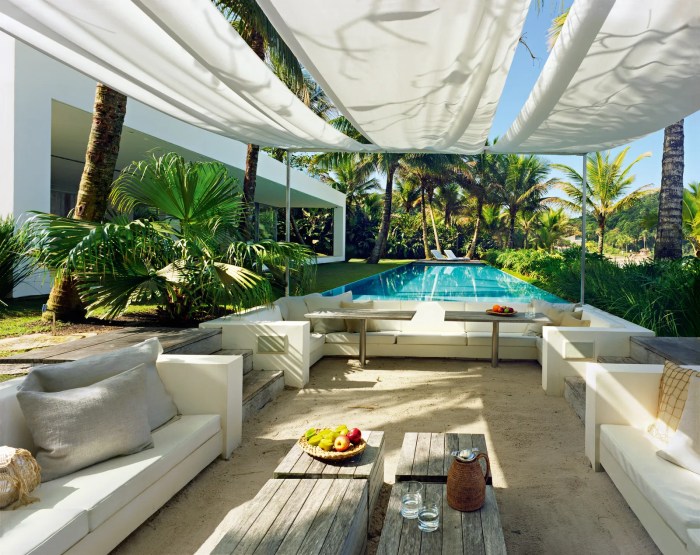
Landscaping plays a crucial role in seamlessly connecting your indoor and outdoor living spaces. A well-designed landscape acts as a natural extension of your interior décor, blurring the lines between the two environments and creating a unified, harmonious atmosphere. Careful consideration of plant selection, placement, and lighting is essential to achieving this seamless transition.
The key to successful landscaping for seamless indoor-outdoor living lies in creating visual continuity. This involves carefully choosing plants and materials that complement your interior design and extending the same color palettes and textures from inside to outside. The placement of plants and other landscape features should also be strategic, leading the eye smoothly from one area to the next, avoiding abrupt changes in style or material.
Plant Selection and Placement
Strategic plant selection and placement are critical in creating a smooth visual flow between interior and exterior spaces. Choosing plants with similar textures, colors, or even forms to those used in your indoor décor can help unify the overall design. For instance, if your interior features a lot of lush greenery, consider extending this theme outdoors with similarly leafy plants. Conversely, if your interior is minimalist and uses lots of clean lines, you might choose more structured, geometrically shaped plants for your outdoor space. The placement of these plants should also mirror the interior layout, perhaps using groupings of plants to mimic the arrangement of furniture or artwork inside.
Lighting Design for Seamless Transition
Lighting is a powerful tool for enhancing the ambiance and flow between indoor and outdoor areas. Consistent lighting styles and color temperatures can help create a unified atmosphere. For example, if you use warm-toned lighting indoors, extend this warmth outdoors with similar lighting fixtures. Consider using outdoor lighting to highlight architectural features that extend from indoors to outdoors, such as a patio or deck, further blurring the boundaries. Uplighting can also dramatically showcase trees or other landscape elements, drawing the eye outwards and creating a more engaging outdoor environment. Dimmable lighting allows for flexibility, letting you adjust the mood depending on the time of day or occasion.
Sample Landscape Plan
This plan complements a modern, minimalist indoor-outdoor living design, emphasizing clean lines and a calming atmosphere.
The following is a sample landscape plan designed to complement a seamless indoor-outdoor living space. Remember that this is a suggestion, and your specific plan should be tailored to your individual needs and preferences, including climate and sunlight conditions.
- Planting Area 1 (Near Sliding Glass Doors): Three large, potted olive trees flank the sliding glass doors, echoing the clean lines of the interior architecture. The olive trees provide a vertical element and a sense of Mediterranean calm, complementing a potentially neutral color palette inside.
- Planting Area 2 (Patio Area): Low-growing succulents and grasses are planted in modern concrete planters, creating a low-maintenance, texturally interesting ground cover that complements the minimalist aesthetic. These plants require minimal upkeep and offer a muted color palette.
- Lighting Plan: Recessed lighting in the patio area provides ambient illumination, while strategically placed path lighting guides movement and highlights the planting areas. String lights along the patio roofline add a touch of warmth and ambiance in the evening, echoing the warm lighting scheme inside. Spotlights are used to subtly highlight individual plants and architectural features, adding visual interest.
- Materials: The patio itself is made of large, light-colored concrete slabs, which visually extend the light, clean lines of the interior flooring. This creates a seamless transition between the indoor and outdoor spaces.
Enhancing the Sensory Experience
Source: patioproductions.com
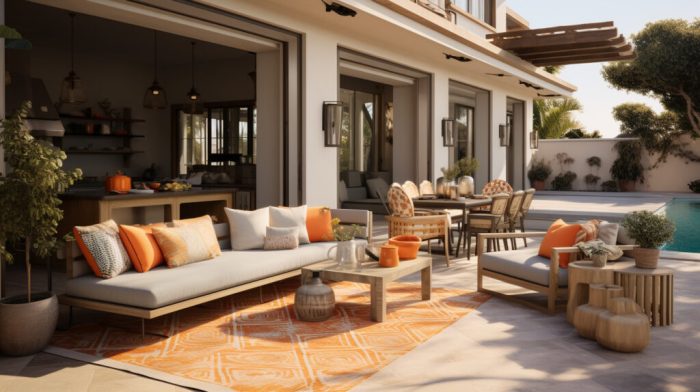
Creating a truly seamless indoor-outdoor living space isn’t just about architectural design; it’s about crafting a holistic sensory experience that flows effortlessly from one area to the next. By carefully considering sound, scent, light, ventilation, and texture, you can create an environment that is both aesthetically pleasing and deeply relaxing.
Sound and scent play a crucial role in unifying the indoor and outdoor spaces. A carefully planned soundscape can subtly bridge the gap between the two areas, creating a sense of continuity and calm. Similarly, the use of carefully chosen fragrances can enhance the overall atmosphere, creating a harmonious sensory experience that extends from the living room to the patio.
Sound and Scent Integration
The integration of sound and scent is key to a unified sensory experience. Imagine the gentle trickle of a water feature echoing softly from the outdoor patio, subtly audible even inside the house through open windows or strategically placed speakers. This creates a soothing, continuous soundscape. Simultaneously, the scent of blooming jasmine or lavender, perhaps from potted plants placed near the transition points, subtly wafts indoors, further blurring the lines between inside and outside. Using diffusers with natural essential oils inside, mimicking the outdoor scents, can reinforce this connection. Conversely, outdoor speakers playing calming nature sounds can extend the tranquil indoor atmosphere to the garden.
Natural Light and Ventilation
Natural light and ventilation are paramount in fostering a connection between indoor and outdoor spaces. Large windows, sliding glass doors, and retractable walls maximize the influx of natural light, visually expanding the interior and allowing the outdoor environment to become an integral part of the living space. Similarly, well-designed ventilation systems, such as strategically placed windows and doors, or even ceiling fans that circulate air, ensure a constant flow of fresh air, eliminating any sense of separation between the indoors and outdoors. The gentle breeze carrying the scent of the garden further enhances the seamless transition. Consider operable skylights to introduce natural light and ventilation from above.
Texture and Materiality
Different textures contribute significantly to a holistic sensory experience. The smooth coolness of polished concrete floors inside can transition seamlessly to the warm, rough texture of natural stone paving outside. The soft touch of indoor textiles, like plush rugs or linen curtains, can be echoed outdoors with similarly textured outdoor cushions and throws. The use of natural materials, such as wood, stone, and bamboo, both inside and out, creates a cohesive and calming effect. Consider incorporating tactile elements like water features or textured walls to engage multiple senses.
Sensory Experience in a Seamless Indoor-Outdoor Space
Imagine waking to the gentle sounds of birdsong filtering through open windows, the scent of freshly brewed coffee mingling with the morning dew. Sunlight streams into the living area, warming the polished wooden floors. You step onto the patio, the cool stone underfoot a pleasant contrast to the warmth inside. The soft rustle of leaves in the breeze accompanies the gentle murmur of a nearby fountain. The textures of the woven outdoor furniture, the smooth stone of the patio, and the rough bark of nearby trees create a multi-sensory experience that is both calming and invigorating. The entire space feels unified, a harmonious blend of indoor comfort and outdoor serenity.
Technological Integration for Seamless Living
Source: zconcept.ca
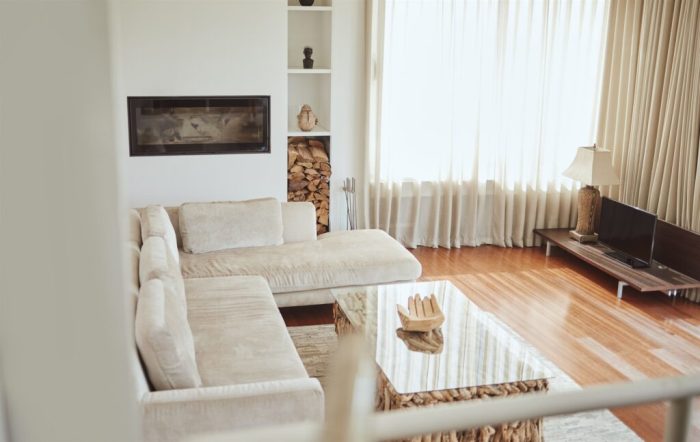
Smart home technology is no longer a luxury; it’s a crucial element in creating truly seamless indoor-outdoor living. By intelligently connecting your indoor and outdoor spaces, you can enhance comfort, security, and efficiency, creating a truly integrated and enjoyable living experience. This integration goes beyond mere convenience; it allows for a more intuitive and responsive environment that adapts to your needs and preferences.
Smart home systems allow for sophisticated automation, enhancing the functionality and comfort of your seamless indoor-outdoor space. Imagine a system that anticipates your needs, adjusting lighting, temperature, and even entertainment based on the time of day, weather conditions, and your location. This level of automation seamlessly blends the interior and exterior environments, blurring the lines between them.
Automated Lighting and Climate Control
Automated lighting systems can dramatically enhance the ambiance and functionality of both indoor and outdoor spaces. For instance, sensors can detect occupancy and adjust lighting levels accordingly, optimizing energy use and creating a welcoming atmosphere. Similarly, smart lighting can be programmed to mimic natural daylight, providing a consistent and comfortable environment throughout the day and night. Outdoor lighting can be integrated with security systems, illuminating pathways when motion is detected, providing both safety and aesthetic appeal. Smart thermostats, meanwhile, can learn your preferences and adjust the temperature in both indoor and outdoor spaces to optimize comfort and energy efficiency. They can even take into account weather forecasts, preemptively adjusting the temperature to counteract expected changes.
Smart Security Systems
Integrated security systems provide a crucial layer of protection for your seamless indoor-outdoor living space. These systems can combine indoor and outdoor cameras, motion sensors, and smart locks to create a comprehensive security network. Smart security cameras can provide real-time monitoring of your property, sending alerts to your smartphone if any unusual activity is detected. Motion-activated lighting can deter intruders, while smart locks allow for remote access and control, ensuring peace of mind whether you’re at home or away. This level of security integrates seamlessly with the overall smart home ecosystem, enhancing the overall sense of safety and comfort.
Examples of Smart Home Devices for Indoor-Outdoor Integration
Several smart home devices are specifically designed to bridge the gap between indoor and outdoor environments. For example, smart irrigation systems can optimize water usage based on weather conditions and soil moisture levels, conserving water and ensuring healthy landscaping. Smart speakers can play music throughout both indoor and outdoor areas, creating a cohesive soundscape. Some smart home hubs even allow for remote control of outdoor features such as fountains or fire pits, adding another layer of convenience and control. These devices work together to create a truly integrated and responsive living environment.
Energy Efficiency and Sustainability
The integration of smart home technology can significantly improve energy efficiency and sustainability in a seamless indoor-outdoor space. Smart thermostats, for example, can learn your usage patterns and adjust the temperature accordingly, reducing energy consumption. Smart lighting systems can automatically switch off lights when not needed, further conserving energy. Smart irrigation systems can reduce water waste, contributing to a more sustainable lifestyle. By monitoring energy usage and identifying areas for improvement, these systems can help reduce your environmental impact and lower your utility bills. This represents a significant benefit in both financial and environmental terms.
Closing Notes: Seamless Indoor Outdoor Living
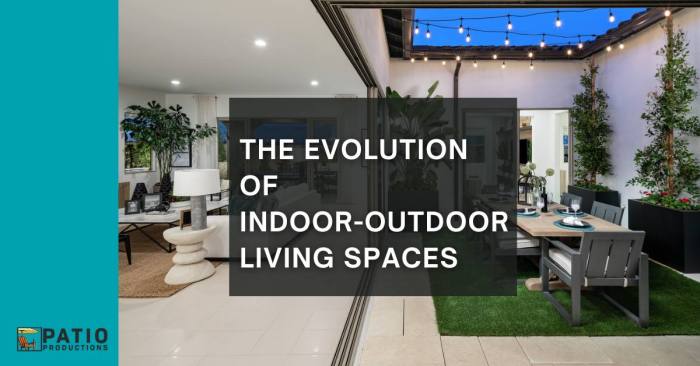
Source: patioproductions.com
Creating seamless indoor-outdoor living is about more than just aesthetics; it’s about enhancing your lifestyle. By thoughtfully considering architectural design, material selection, landscaping, and technological integration, you can craft a space that is both beautiful and functional. Remember, the goal is to blur the lines between indoors and outdoors, creating a unified and harmonious environment that fosters relaxation, connection, and a true appreciation for the beauty of nature. Start planning your dream space today!