Dell Technologies Sustainability A Comprehensive Overview
Dell Technologies Sustainability isn’t just a buzzword; it’s a multifaceted commitment shaping the company’s future. From eco-designed products to renewable energy initiatives and ethical supply chains, Dell’s journey towards sustainability is a compelling case study in corporate responsibility. This exploration delves into Dell’s strategies, achievements, and future aspirations, highlighting the innovative approaches they’re taking to minimize their environmental impact and contribute to a more sustainable world.
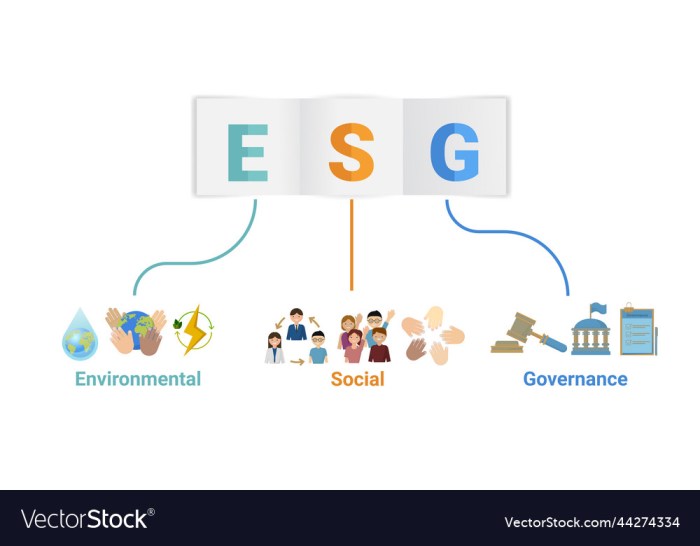
We’ll examine Dell’s ambitious ESG goals, their progress in reducing carbon emissions across their operations and supply chain, and their efforts to create a more equitable and inclusive workplace. We’ll also look at the innovative technologies Dell is employing to drive further sustainability improvements, and how they are working with partners and suppliers to achieve their ambitious targets. This isn’t just about environmental responsibility; it’s about building a better future for everyone.
Dell Technologies’ Sustainability Initiatives

Source: into-recycling.com
Dell Technologies has made significant strides in integrating sustainability into its core business strategy. Their commitment extends beyond simple compliance, aiming for a truly responsible and environmentally conscious approach to technology production and lifecycle management. This involves ambitious goals across environmental, social, and governance (ESG) factors, impacting their supply chain, operations, and overall corporate citizenship.
Dell’s Environmental, Social, and Governance (ESG) Goals
Dell’s ESG goals are multifaceted and ambitious. They aim for significant reductions in greenhouse gas emissions across their entire value chain, focusing on both direct (Scope 1 and 2) and indirect (Scope 3) emissions. Social goals center on ethical sourcing, fair labor practices, and community engagement. Governance goals emphasize transparency, accountability, and responsible business conduct. Specific targets often involve percentages of recycled materials, reductions in energy consumption, and improvements in supply chain sustainability scores. These goals are regularly reviewed and updated to reflect evolving best practices and scientific understanding of climate change. Dell publishes regular progress reports to track their performance against these goals.
Timeline of Dell’s Key Sustainability Milestones
Dell’s sustainability journey has been marked by several key milestones. For example, the company has set ambitious targets for renewable energy usage, aiming for a significant percentage of its operations to be powered by renewable sources by a specific year. They’ve also launched initiatives focused on responsible product design, aiming to increase the use of recycled materials and design products for easier recycling and reuse at the end of their life. Furthermore, Dell has invested in programs to educate and empower their supply chain partners to adopt sustainable practices. These milestones demonstrate a continuous commitment to improvement and innovation in sustainability. Specific dates and achievements can be found in their publicly available sustainability reports.
Dell’s Approach to Reducing Carbon Emissions Throughout its Supply Chain
Dell recognizes that a significant portion of its carbon footprint originates within its extended supply chain. Their approach to reducing these emissions involves several key strategies. Firstly, they collaborate closely with suppliers to promote sustainable manufacturing practices, including energy efficiency improvements and the adoption of renewable energy. Secondly, they actively work to improve the environmental performance of their products throughout their lifecycle, from design and manufacturing to end-of-life management. Thirdly, Dell invests in and supports initiatives focused on carbon offsetting and removal. This multi-pronged approach acknowledges the complexity of supply chain emissions and aims for a comprehensive impact.
Comparison of Dell’s Sustainability Performance Against Industry Competitors
| Company | Carbon Emission Reduction Target (by year) | Percentage of Recycled Materials in Products | Renewable Energy Usage (%) |
|---|---|---|---|
| Dell Technologies | [Insert Dell’s Target – Source needed] | [Insert Dell’s Percentage – Source needed] | [Insert Dell’s Percentage – Source needed] |
| HP Inc. | [Insert HP’s Target – Source needed] | [Insert HP’s Percentage – Source needed] | [Insert HP’s Percentage – Source needed] |
| Lenovo | [Insert Lenovo’s Target – Source needed] | [Insert Lenovo’s Percentage – Source needed] | [Insert Lenovo’s Percentage – Source needed] |
| Apple | [Insert Apple’s Target – Source needed] | [Insert Apple’s Percentage – Source needed] | [Insert Apple’s Percentage – Source needed] |
Dell’s Sustainable Product Lifecycle: Dell Technologies Sustainability

Source: bizclikmedia.net
Dell’s commitment to sustainability extends beyond just their operations; it’s deeply woven into the entire lifecycle of their products, from design and manufacturing to end-of-life management. This approach aims to minimize environmental impact at every stage, creating a more responsible and circular economy for technology.
Dell employs a holistic strategy focusing on reducing the environmental footprint of its products throughout their entire existence. This involves careful material selection, energy-efficient design, responsible manufacturing practices, and robust recycling and take-back programs. The goal is to create products that are not only functional and innovative but also environmentally conscious.
Eco-Designed Products and Their Environmental Benefits
Dell incorporates sustainable design principles into its products from the outset. This includes using recycled materials, minimizing the use of hazardous substances, and optimizing energy efficiency. For example, several Dell laptops utilize recycled aluminum and plastics, reducing the demand for virgin materials and lowering carbon emissions associated with extraction and processing. These eco-designed products often boast features like lower power consumption, leading to reduced energy bills for consumers and a smaller carbon footprint overall. The use of recycled materials also reduces landfill waste and conserves natural resources. Specific examples include the Dell Latitude and Precision lines, which feature significant use of recycled materials and energy-efficient components. These designs often result in products that meet various environmental certifications, demonstrating their commitment to sustainability.
Dell’s Recycling and Take-Back Programs, Dell technologies sustainability
Dell offers comprehensive recycling and take-back programs for end-of-life products, aiming to recover valuable materials and prevent electronic waste from ending up in landfills. These programs cover a wide range of Dell products, making it easy for customers to responsibly dispose of their old equipment. The process typically involves securely wiping data from the devices before recycling, ensuring data privacy. Recovered materials are then processed and used to create new products, furthering Dell’s commitment to a circular economy. Dell’s recycling programs are designed to be convenient and accessible to customers, often offering free shipping labels or drop-off locations. This reduces the barriers to participation and encourages responsible e-waste management.
Stages of Dell’s Sustainable Product Lifecycle
Dell’s commitment to sustainability is reflected in a structured approach across the product lifecycle. Understanding these stages helps illustrate the comprehensive nature of their strategy.
- Design for Sustainability: This initial stage involves selecting sustainable materials, optimizing energy efficiency, and designing for ease of disassembly and recycling.
- Responsible Manufacturing: Dell focuses on minimizing environmental impacts during manufacturing, including energy consumption, water usage, and waste generation.
- Product Use and Energy Efficiency: Dell designs products to be energy-efficient throughout their operational lifespan, reducing energy consumption for users.
- End-of-Life Management: This involves Dell’s comprehensive recycling and take-back programs, ensuring responsible disposal and material recovery.
- Closed-Loop Recycling: Recovered materials are reused in the creation of new Dell products, minimizing the demand for virgin resources and reducing landfill waste.
Dell’s Renewable Energy Usage

Source: amazonaws.com
Dell’s commitment to sustainability extends beyond responsible product design; a significant aspect involves powering its operations with renewable energy. This initiative directly reduces Dell’s carbon footprint and contributes to a cleaner energy future. The company’s approach to renewable energy is multifaceted, encompassing various sources and strategies to achieve its ambitious sustainability targets.
Dell utilizes a diverse portfolio of renewable energy sources to power its global operations. These include wind power, solar power, and hydropower, strategically chosen based on location and availability. For example, Dell might leverage abundant wind resources in certain regions to generate electricity for its data centers, while solar power might be more suitable for facilities in sunnier climates. The company also invests in renewable energy projects directly, often through Power Purchase Agreements (PPAs), which guarantee the supply of renewable energy at a fixed price over a long period. This not only provides a reliable source of clean energy but also stimulates investment in the renewable energy sector.
Sources of Renewable Energy Used by Dell
Dell’s renewable energy mix is constantly evolving, reflecting the ongoing growth of renewable energy infrastructure globally. However, the core sources consistently remain wind, solar, and hydropower. The specific breakdown varies by region and facility, optimizing energy procurement based on local resources and cost-effectiveness. For instance, a data center in a windy region might primarily rely on wind power, while a facility in a sunny area could utilize a higher proportion of solar power. This approach ensures efficient energy sourcing while minimizing environmental impact.
Dell’s Renewable Energy Usage and Sustainability Goals
Dell’s substantial investment in renewable energy is integral to achieving its broader sustainability goals, primarily focused on reducing greenhouse gas emissions. By switching to renewable energy sources, Dell significantly decreases its reliance on fossil fuels, directly reducing its carbon footprint. This aligns with the company’s commitment to reducing emissions across its entire value chain, from manufacturing to end-of-life product management. The shift towards renewable energy also enhances Dell’s overall operational efficiency and reduces its exposure to fluctuating fossil fuel prices.
Comparison with Industry Best Practices
Dell actively benchmarks its renewable energy adoption against industry best practices and leading organizations in the technology sector. While specific data varies and isn’t publicly available for all competitors, Dell consistently aims to be a leader in renewable energy usage. This involves continuous improvement in energy efficiency and a commitment to expanding its renewable energy portfolio. The company regularly reports on its progress, highlighting its commitment to transparency and accountability in its sustainability initiatives. Through its participation in industry consortiums and partnerships, Dell shares best practices and learns from other companies pushing the boundaries of sustainable operations.
Visual Representation of Dell’s Renewable Energy Adoption Progress
Imagine a bar graph. The horizontal axis represents years, showing progress over time (e.g., 2015, 2018, 2021, 2024). The vertical axis represents the percentage of Dell’s total energy consumption sourced from renewable energy. The bars would show a steady upward trend, illustrating the increasing percentage of renewable energy used year over year. For example, a bar for 2015 might show 20%, while the 2021 bar might show 50%, demonstrating significant growth. This visual would depict Dell’s commitment and progress in adopting renewable energy sources for its operations. Note that precise numerical data would need to be obtained from official Dell sustainability reports for accuracy.
Dell’s Supply Chain Sustainability
Source: vectorstock.com
Dell recognizes that its environmental and social impact extends far beyond its operations. A significant portion of that impact originates within its vast global supply chain. Therefore, Dell actively works to integrate sustainability into every stage, from raw material sourcing to final product delivery. This involves collaborating with suppliers, implementing robust monitoring systems, and promoting ethical and responsible business practices throughout the network.
Dell’s efforts to create a sustainable supply chain are multifaceted and driven by a commitment to environmental stewardship and social responsibility. The company’s approach involves a combination of direct engagement with suppliers, the development of clear standards and expectations, and the implementation of rigorous monitoring and measurement systems. This holistic approach ensures accountability and transparency across the entire supply chain.
Dell’s Supplier Code of Conduct
Dell’s Supplier Code of Conduct Artikels the company’s expectations for its suppliers regarding environmental and social responsibility. This comprehensive document covers a wide range of topics, including labor standards, environmental protection, and ethical business practices. Suppliers are required to adhere to these standards, which align with international norms and regulations. The code addresses issues such as fair wages, safe working conditions, prohibition of child labor, and responsible waste management. Regular audits and assessments are conducted to ensure compliance. Non-compliance can result in consequences, including contract termination. The code acts as a cornerstone of Dell’s strategy for ensuring ethical and sustainable practices throughout its supply chain.
Collaborations with Suppliers to Promote Sustainability
Dell actively collaborates with its key suppliers to implement sustainable practices. These collaborations often involve joint projects focused on reducing energy consumption, minimizing waste, and improving resource efficiency. For instance, Dell works with its component suppliers to design products with recycled materials and to reduce the use of hazardous substances. They also partner with logistics providers to optimize transportation routes and reduce carbon emissions associated with shipping. These collaborative efforts are crucial for achieving Dell’s broader sustainability goals, as they leverage the expertise and resources of the entire supply chain network. A notable example is Dell’s work with suppliers to increase the use of recycled plastics in its products.
Monitoring and Measuring the Environmental Impact of Dell’s Supply Chain
Dell employs a variety of methods to monitor and measure the environmental impact of its supply chain. This includes collecting data on energy consumption, greenhouse gas emissions, water usage, and waste generation from its suppliers. This data is then analyzed to identify areas for improvement and to track progress toward sustainability goals. Dell utilizes both direct engagement with suppliers and third-party audits to verify the accuracy and completeness of the reported data. The company also uses sophisticated tools and methodologies to assess the environmental footprint of its supply chain, enabling it to identify high-impact areas and prioritize improvement initiatives. This rigorous monitoring and measurement system allows Dell to demonstrate accountability and transparency in its sustainability efforts. Data is publicly reported, allowing for external scrutiny and evaluation of Dell’s progress.
Dell’s Social Impact Initiatives

Source: dell.com
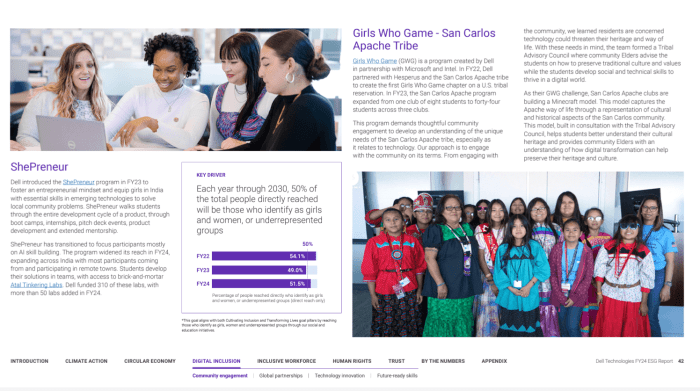
Dell’s commitment to sustainability extends beyond environmental responsibility to encompass a strong focus on social impact. They believe that a thriving business is intrinsically linked to a thriving community, and their initiatives reflect this philosophy. This section details Dell’s multifaceted approach to creating positive social change through community engagement, diversity and inclusion, strategic partnerships, and direct contributions to various social causes.
Dell’s community engagement programs are designed to address local needs and empower communities worldwide. These programs often leverage Dell’s technology and expertise to support education, workforce development, and disaster relief efforts. The company actively seeks opportunities to collaborate with local organizations to maximize impact and ensure the sustainability of their efforts. This collaborative approach fosters a sense of shared responsibility and encourages long-term community growth.
Dell’s Community Engagement Programs
Dell’s community engagement is not a one-size-fits-all approach. Instead, they tailor their involvement to specific community needs, leveraging their technological resources and expertise to create lasting positive change. For example, Dell has partnered with various non-profit organizations to provide technology and training to under-resourced schools and community centers. This has enabled students and community members to gain access to essential digital skills and opportunities. In disaster relief situations, Dell has provided technology solutions to aid in communication, coordination, and recovery efforts. This proactive engagement showcases Dell’s commitment to building resilient communities.
Diversity and Inclusion Initiatives
Dell actively promotes diversity and inclusion within its workforce and supply chain. This commitment goes beyond simply meeting quotas; it’s about fostering a culture of belonging where every employee feels valued and respected. They have implemented various programs to attract, retain, and promote diverse talent. These initiatives include targeted recruitment strategies, employee resource groups, and diversity and inclusion training programs. In their supply chain, Dell works with suppliers committed to similar diversity and inclusion goals, ensuring ethical and equitable practices throughout their operations. This commitment to diversity fosters innovation and strengthens their business resilience.
Key Partnerships Focused on Social Impact
Dell’s social impact initiatives are often amplified through strategic partnerships with leading non-profit organizations and social enterprises. These collaborations allow Dell to leverage the expertise and reach of their partners, expanding the scope and impact of their programs. For example, partnerships with organizations focused on education, workforce development, and environmental sustainability have enabled Dell to address critical social and environmental challenges more effectively. These collaborations ensure that Dell’s resources are used efficiently and effectively to achieve meaningful change.
Dell’s Contributions to Social Causes
Dell’s commitment to social responsibility is reflected in its numerous contributions to various social causes.
- Education: Providing technology and training to under-resourced schools and communities.
- Workforce Development: Supporting programs that equip individuals with the skills needed for employment in the digital economy.
- Disaster Relief: Providing technology solutions to aid in communication, coordination, and recovery efforts following natural disasters.
- Environmental Sustainability: Collaborating with organizations to promote sustainable practices and reduce environmental impact.
- Community Development: Investing in local communities to foster economic growth and improve quality of life.
Transparency and Reporting
Source: thecuberesearch.com
Dell’s commitment to sustainability extends beyond its initiatives; it also encompasses transparent and comprehensive reporting of its progress. This allows stakeholders to understand Dell’s environmental and social performance, fostering accountability and driving continuous improvement. The company utilizes established frameworks to ensure consistency and comparability with industry best practices.
Dell’s sustainability reporting practices are guided by globally recognized standards and frameworks. These frameworks provide a structured approach to data collection, analysis, and disclosure, enhancing the reliability and credibility of the information presented. The company uses frameworks like the Global Reporting Initiative (GRI) Standards and the Sustainability Accounting Standards Board (SASB) standards to inform its reporting. This ensures alignment with international best practices and allows for benchmarking against other organizations.
Dell’s Sustainability Reports and Data
Dell publishes annual sustainability reports that detail its environmental, social, and governance (ESG) performance. These reports provide a comprehensive overview of Dell’s progress across various sustainability initiatives. The reports are readily available on Dell’s website and include data on energy consumption, greenhouse gas emissions, waste reduction, supply chain sustainability, and social impact programs. For example, the 2023 Progress Report offers detailed information on Dell’s targets and achievements in reducing its carbon footprint and promoting ethical sourcing. These reports often include graphs, charts, and tables to visually represent key performance indicators (KPIs). Specific data points, like the percentage of renewable energy used or the amount of e-waste recycled, are presented.
Ensuring Accuracy and Transparency of Sustainability Data
Dell employs robust processes to ensure the accuracy and transparency of its sustainability data. This involves a multi-faceted approach incorporating third-party verification, internal audits, and data validation procedures. Independent assurance providers review Dell’s sustainability reporting to confirm the accuracy and completeness of the data. These audits add an extra layer of credibility to Dell’s claims. Moreover, Dell uses standardized methodologies for data collection and calculation to maintain consistency across its reporting periods and to minimize biases. Data transparency is further enhanced through detailed explanations of the methodologies used and the assumptions made in the reporting process.
Key Performance Indicators (KPIs)
| KPI | 2022 | 2021 | Target Year |
|---|---|---|---|
| Renewable Energy Use (%) | 70% | 60% | 100% (2030) |
| Greenhouse Gas Emissions (metric tons CO2e) | [Insert 2022 data] | [Insert 2021 data] | [Insert Target and Year] |
| Recycled Content in Products (%) | [Insert 2022 data] | [Insert 2021 data] | [Insert Target and Year] |
| E-waste Recycled (metric tons) | [Insert 2022 data] | [Insert 2021 data] | [Insert Target and Year] |
Future Sustainability Strategies

Source: ac.th
Dell’s commitment to sustainability isn’t a fleeting initiative; it’s a deeply ingrained part of their long-term business strategy. Their future plans go beyond incremental improvements and aim for transformative change, leveraging innovation and collaboration to significantly reduce their environmental impact and contribute to a more sustainable world. This involves ambitious targets, strategic partnerships, and the adoption of cutting-edge technologies.
Dell’s future sustainability strategies are built upon a foundation of continuous improvement and ambitious targets. They are actively pursuing aggressive reductions in greenhouse gas emissions across their entire value chain, aiming for net-zero emissions by a specific target date (this date should be verified by Dell’s official sustainability reports). This encompasses not only their direct operations but also their supply chain and the lifecycle of their products. Their approach involves a multi-pronged strategy incorporating renewable energy, efficient manufacturing processes, and circular economy principles.
Dell’s Targets and Planned Reductions
Dell plans to achieve significant reductions in carbon emissions across their operations. This includes specific targets for reducing Scope 1, 2, and 3 emissions (direct emissions, indirect emissions from energy consumption, and all other indirect emissions in their value chain respectively). These targets are often publicly disclosed in their sustainability reports and should be referenced for specific numbers and timelines. For example, a goal might involve reducing Scope 1 and 2 emissions by X% by year Y, while simultaneously reducing Scope 3 emissions by Z% by year W. These targets are underpinned by various initiatives like increased renewable energy usage, improved energy efficiency in their facilities, and sustainable sourcing practices throughout their supply chain.
Emerging Technologies for Enhanced Sustainability
Dell is actively exploring and implementing emerging technologies to enhance their sustainability efforts. This includes investing in and integrating technologies such as AI-powered predictive maintenance to optimize energy consumption in data centers, using blockchain technology to enhance supply chain transparency and traceability, and researching and developing more sustainable materials for their products, potentially incorporating recycled or bio-based materials. The application of these technologies allows for more efficient resource management, reduced waste generation, and improved overall environmental performance. For example, AI-driven optimization in their manufacturing processes could lead to significant reductions in energy and material usage.
Dell’s Vision for a Sustainable Future
Dell envisions a future where technology plays a crucial role in solving global environmental challenges. They see themselves as a key player in driving this transformation, not just by reducing their environmental footprint, but also by empowering their customers and partners to do the same. This includes developing and providing sustainable technology solutions, promoting responsible consumption and disposal practices, and advocating for policies that support environmental sustainability. Their vision extends beyond their operations, encompassing a broader commitment to fostering a more sustainable ecosystem within the technology industry and beyond.
Dell’s Long-Term Sustainability Roadmap
Dell’s long-term sustainability roadmap is a comprehensive plan outlining a phased approach to achieving their ambitious goals. It involves a continuous cycle of setting targets, implementing initiatives, measuring progress, and adapting strategies based on learning and evolving technologies. This roadmap encompasses all aspects of their operations, from product design and manufacturing to supply chain management and end-of-life product management. Key milestones are established along the way, providing benchmarks for evaluating progress and ensuring accountability. The roadmap is underpinned by a commitment to transparency and continuous improvement, with regular reporting on their performance against established targets. This ensures that Dell’s sustainability efforts remain aligned with the evolving needs of the planet and the expectations of stakeholders.
Last Word

Source: dell.com
Dell Technologies’ commitment to sustainability extends far beyond simple compliance. It’s a proactive, evolving strategy deeply integrated into their business model. By focusing on a holistic approach encompassing environmental responsibility, social impact, and good governance, Dell demonstrates a clear understanding that sustainable practices are not just beneficial for the planet, but also drive innovation, enhance brand reputation, and contribute to long-term business success. Their journey serves as a powerful example for other corporations striving to make a positive impact.