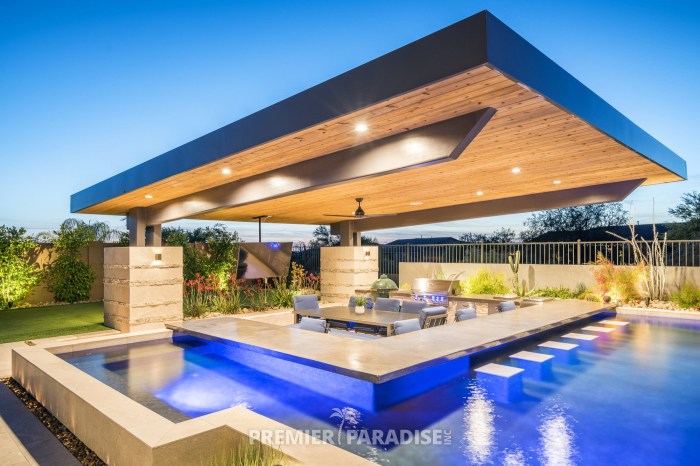
Outdoor Patio Designers Near Me Find Your Perfect Oasis
Outdoor patio designers near me can transform your outdoor space into a stunning and functional oasis. Finding the right designer is key to realizing your dream patio, whether you envision a cozy retreat, an expansive entertaining area, or a blend of both. This guide walks you through the process, from understanding your needs to selecting the perfect furniture and accessories.
We’ll cover essential design considerations like climate, materials, and layout, helping you make informed decisions. Learn about incorporating lighting, landscaping, and budget-friendly options to create a patio that reflects your personal style and enhances your home’s value. Get ready to design the outdoor space you’ve always wanted!
Understanding Client Needs
Source: moosocial.com
Designing the perfect outdoor patio involves much more than just laying bricks and adding furniture. It’s about understanding and translating a client’s vision into a functional and aesthetically pleasing space that meets their specific needs and budget. This requires a thorough understanding of their desires, lifestyle, and expectations.
Effective communication is key to a successful project. Gathering detailed information from the outset ensures that the final design aligns perfectly with the client’s goals, preventing costly revisions and ensuring client satisfaction.
Common Client Requests
Three common requests from clients seeking outdoor patio design frequently include a desire for increased usable outdoor living space, improved aesthetic appeal, and enhanced privacy. These requests often overlap, with a desire for a visually appealing space that also provides additional functionality and seclusion. Understanding the relative importance of each aspect to the client is crucial for effective design.
Gathering Client Preferences, Outdoor patio designers near me
The process of gathering client preferences should be a collaborative effort, focusing on style, budget, and functionality. Begin by establishing a rapport with the client, creating a comfortable environment where they feel free to express their ideas and concerns. Active listening is paramount. Visually engaging tools, such as mood boards and design software demonstrations, can greatly assist in conveying design options and understanding their preferences. Openly discussing budgetary limitations at the beginning ensures realistic expectations and prevents disappointment later in the design process. The goal is to identify a design that balances the client’s aesthetic desires with their financial constraints.
Client Needs Questionnaire
A well-structured questionnaire helps streamline the information-gathering process. The following questionnaire provides a framework for capturing essential client information:
| Section | Questions |
|---|---|
| Project Overview | Describe your vision for your outdoor patio. What are your primary goals for this project? What activities do you envision taking place on your patio? |
| Style Preferences | Describe your preferred patio style (e.g., modern, rustic, traditional). Do you have any specific design elements in mind (e.g., materials, colors, lighting)? Please provide images or links to examples if possible. |
| Functionality | What specific functions will your patio serve (e.g., dining, lounging, entertaining)? How many people do you anticipate accommodating? Do you require specific features such as a fire pit, built-in grill, or outdoor kitchen? |
| Budget | What is your approximate budget for this project? Are there any specific cost limitations you need to consider? |
| Timeline | What is your desired project timeline? Are there any deadlines or constraints you need to consider? |
| Maintenance | What level of maintenance are you willing to undertake? Are there any materials or features you prefer to avoid due to maintenance concerns? |
This questionnaire provides a starting point; adjustments may be necessary depending on the specific project requirements. Remember to maintain open communication throughout the entire design process.
Design Considerations

Source: windowsreport.com
Creating the perfect outdoor patio involves more than just picking pretty furniture. A truly successful design considers a multitude of factors to ensure both beauty and practicality for years to come. Careful planning ensures your patio is a comfortable and enjoyable space, regardless of the weather or season.
Climate and Weather Patterns
Your local climate dictates many design choices. For areas with harsh winters, materials resistant to freezing and thawing are crucial. Consider the amount of rainfall, sunshine, and wind your patio will experience. In sunny climates, shade solutions are paramount, while areas with frequent rain might need excellent drainage. For example, a patio in a coastal area will require materials that can withstand salt spray and strong winds, perhaps opting for durable, weather-resistant composite materials instead of delicate wood. In contrast, a patio in a dry, desert climate may prioritize materials that retain heat during cooler evenings, possibly incorporating natural stone for its heat-absorbing properties.
Patio Material Comparison
Choosing the right patio material is a key decision. Wood, concrete, and stone each offer unique advantages and disadvantages.
Wood offers a warm, natural aesthetic and can be stained or sealed to enhance its lifespan. However, it requires regular maintenance, including sealing and occasional repairs, and is susceptible to rot, insect infestation, and weathering. Concrete is incredibly durable and relatively inexpensive, making it a popular choice. It can be stained or stamped to mimic other materials, but its appearance might be considered less aesthetically pleasing by some compared to natural stone or wood. Natural stone, such as flagstone or pavers, offers unparalleled beauty and durability. It is weather-resistant and requires minimal maintenance, but it is typically more expensive than wood or concrete.
Patio Covering Options
Providing shade and protection from the elements is crucial for maximizing patio enjoyment. Several options exist, each with its pros and cons.
| Patio Covering | Pros | Cons | Suitability |
|---|---|---|---|
| Pergola | Adds architectural interest, customizable design, allows for partial shade and air circulation. | Can be expensive to install, offers limited protection from rain, requires regular maintenance. | Ideal for sunny climates where partial shade and aesthetic appeal are prioritized. |
| Awning | Provides excellent sun protection, retractable for flexibility, relatively easy to install. | Can be less aesthetically pleasing than pergolas, may not offer protection from wind or heavy rain. | Best suited for patios exposed to direct sunlight, particularly beneficial in areas with unpredictable weather. |
| Umbrellas | Portable and affordable, readily available in various styles and sizes. | Offers limited coverage, can be unstable in strong winds, needs to be moved frequently. | Suitable for smaller patios or as a supplemental shading solution in conjunction with other options. |
Space Planning and Layout

Source: insided.com
Smart patio design isn’t just about pretty furniture; it’s about creating a functional and enjoyable outdoor space that perfectly complements your home and lifestyle. Effective space planning ensures your patio flows well, maximizing its use and beauty. This involves considering your property’s size and shape, the placement of key features, and the integration of landscaping.
Successful patio layouts depend heavily on understanding how you intend to use the space. Think about how many people you typically entertain, what activities you’ll be doing (dining, relaxing, grilling), and how much natural light you want. These considerations will guide the design process and influence the choice of layout.
Patio Layouts for Different Property Sizes and Shapes
The ideal patio layout will vary drastically depending on the available space and the shape of your property. A small, square yard might benefit from a compact, intimate seating area, while a large, rectangular space allows for more ambitious designs incorporating multiple zones. Consider these examples:
- Small, Square Yards: A simple, square or circular patio layout works well, maximizing usable space. A single seating area with a small bistro table fits perfectly, leaving room for potted plants.
- Medium, Rectangular Yards: A rectangular patio can be divided into distinct zones. For example, one end could feature a dining area with a table and chairs, while the other could have a lounging area with comfortable seating and a fire pit. A pathway could separate these zones.
- Large, Irregular Yards: Larger, irregularly shaped yards offer more flexibility. You could create a meandering patio that follows the natural contours of the land, incorporating different seating areas, a built-in grill, and a fire pit strategically placed to maximize views.
Organizing Key Features for Optimal Flow and Functionality
The placement of key features is crucial for a well-designed patio. Poor placement can lead to awkward traffic flow and underutilized space.
- Seating Areas: Position seating areas near focal points, such as a fireplace or a beautiful view. Consider the sun’s path; you’ll want to avoid harsh afternoon sun on seating areas. For larger patios, create multiple seating areas for different purposes – a formal dining area and a casual lounging area, for example.
- Dining Spaces: Dining areas should be easily accessible from the house and away from high-traffic areas. Ensure sufficient space around the table for chairs and comfortable movement. Consider adding an outdoor umbrella for shade.
- Fire Pits: Fire pits are a focal point and should be positioned for optimal viewing and safety. Place it away from flammable materials and ensure sufficient space around it for seating.
Incorporating Landscaping Elements to Enhance Aesthetic Appeal
Landscaping significantly enhances a patio’s aesthetic appeal and can also provide shade and privacy.
- Plants and Flowers: Strategically placed plants and flowers add color and texture. Consider using vertical gardening to maximize space in smaller patios. Taller plants can offer privacy screening.
- Paving and Materials: The choice of paving materials impacts the overall look and feel. Natural stone creates a rustic feel, while concrete offers a more modern aesthetic. Varying textures and colors can add visual interest.
- Water Features: A small water feature, such as a fountain or a pondless waterfall, can add a calming element and enhance the ambiance. The gentle sound of water can mask unwanted noise.
Incorporating Outdoor Lighting

Source: sstatic.net
Outdoor lighting isn’t just about seeing where you’re going; it’s about transforming your patio into a magical space, extending its usability into the evening hours and creating a unique atmosphere. Effective patio lighting enhances both the functionality and aesthetic appeal, making it a key element in any successful outdoor design.
Lighting choices dramatically impact the overall feel of your patio. Consider the mood you want to create – relaxed and intimate, vibrant and social, or something in between – when selecting your lighting scheme. The right lighting will highlight architectural features, accentuate landscaping, and provide safe and comfortable navigation.
Types of Outdoor Lighting and Their Applications
Different types of outdoor lighting serve distinct purposes. Choosing the right mix is crucial for a well-lit and aesthetically pleasing patio. Ambient lighting sets the overall mood, task lighting ensures safety and functionality, and accent lighting highlights specific features.
- Ambient Lighting: This provides general illumination, creating a soft and welcoming glow. Think string lights draped across the patio, pathway lights lining the walkway, or uplights illuminating trees or walls. It sets the base level of light and establishes the overall ambiance.
- Task Lighting: This is focused lighting for specific activities. For example, a pendant light above a dining table provides illumination for meals, while spotlights near the grill ensure visibility while cooking. Task lighting ensures practicality and safety.
- Accent Lighting: This highlights architectural details, landscaping features, or artwork. Think spotlights showcasing a water feature, path lights highlighting the texture of a stone wall, or strategically placed spotlights illuminating plants. Accent lighting adds depth and visual interest.
Designing a Patio Lighting Plan
A well-designed lighting plan balances functionality and ambiance. Consider the following steps:
1. Assess your needs: Determine the primary uses of your patio (dining, relaxing, entertaining).
2. Identify key areas: Pinpoint areas that need task lighting (e.g., dining area, grilling area) and areas that will benefit from ambient or accent lighting (e.g., seating areas, plant displays).
3. Choose light fixtures: Select fixtures that complement your patio’s style and provide the appropriate level of illumination. Consider the size, style, and material of the fixtures to ensure they blend seamlessly with the overall design.
4. Plan the layout: Sketch a plan indicating the placement of each light fixture. Consider the direction of light, the height of the fixtures, and the shadows they will cast.
5. Consider layering: Combine different types of lighting to create depth and interest. A combination of ambient, task, and accent lighting will usually provide the most effective and visually appealing result.
Creative Lighting Techniques for Enhanced Ambiance
Beyond the basics, several creative techniques can elevate your patio’s lighting design.
Imagine a patio with string lights woven through lush greenery, creating a magical, fairy-light effect. Or picture recessed lighting subtly illuminating pathways, guiding guests safely through the space. Consider using colored lighting to change the mood; warm white lights create a cozy atmosphere, while cooler tones can be more energizing. Water features illuminated from below create a mesmerizing, tranquil ambiance.
Furniture and Accessories Selection

Source: supporthost.com
Choosing the right furniture and accessories is crucial for creating a patio that’s both stylish and functional. The pieces you select will set the tone for your outdoor space, impacting everything from comfort levels to the overall aesthetic. Consider your lifestyle, the size of your patio, and the existing architectural style of your home when making your selections.
Outdoor furniture comes in a wide variety of styles and materials, each with its own pros and cons. Understanding these differences will help you make informed decisions that best suit your needs and budget.
Outdoor Furniture Styles and Materials
Different furniture styles create vastly different moods. Wrought iron, for instance, evokes a classic, perhaps slightly formal feel, while wicker offers a more relaxed, bohemian vibe. Modern patio sets often utilize sleek aluminum or steel frames with weather-resistant fabrics. Wooden furniture, such as teak or cedar, provides a warm, natural aesthetic, but requires more maintenance. The material’s durability and resistance to weather conditions are key factors to consider. For example, teak is naturally resistant to rot and decay, while aluminum is lightweight and rust-proof. Wicker, though beautiful, may require more frequent cleaning and protection from the elements.
Patio Accessories to Enhance Functionality and Aesthetics
The right accessories can transform a simple patio into a comfortable and inviting outdoor living space. Consider these additions to elevate your design:
These accessories can add both practicality and visual appeal to your patio, creating a cohesive and enjoyable outdoor environment.
- Cushions: Add comfort and color. Choose weather-resistant fabrics in patterns and colors that complement your furniture and overall design scheme. Consider adding lumbar support cushions for extra back comfort.
- Planters: Introduce greenery and soften hard surfaces. Select planters in various sizes and materials to create visual interest. Consider using a mix of textures and heights for a more dynamic look.
- Rugs: Define spaces and add warmth underfoot. Outdoor rugs are available in a variety of materials, including polypropylene, which is durable and easy to clean. Choose a rug that complements the colors and style of your furniture and accessories.
- Lighting: Extend usability into the evening. String lights, lanterns, and pathway lighting create ambiance and safety. Consider solar-powered options for convenience.
- Fire Pit or Chiminea: Extend the usability of your patio into cooler months. A fire pit provides warmth and a focal point for gatherings.
- Outdoor Curtains or Screens: Offer privacy and shade. Choose fabrics that are durable and weather-resistant.
Patio Furniture Arrangement for Comfort and Style
A well-planned furniture arrangement is essential for creating a functional and aesthetically pleasing patio. Consider the flow of traffic, the placement of focal points (like a fire pit or water feature), and the overall balance of the space. For a medium-sized patio, a comfortable arrangement might include a sectional sofa or a grouping of armchairs and a coffee table centered around a fire pit. This allows for both conversation and relaxation. For smaller patios, consider using space-saving furniture like stackable chairs or a bistro set. Remember to leave enough space for easy movement around the furniture. Avoid overcrowding the space, as this can make it feel cramped and uncomfortable. Consider the sun’s path and position furniture to maximize shade during the hottest parts of the day.
Budgeting and Cost Estimation: Outdoor Patio Designers Near Me

Source: imgur.com
Creating your dream outdoor patio involves careful planning, and a realistic budget is crucial for a successful project. Understanding the costs involved upfront prevents unexpected expenses and ensures your vision aligns with your financial capabilities. This section will break down the key cost factors, providing you with a framework for creating your own budget.
Factors influencing the overall cost of a patio design project are numerous and interconnected. Material choices, labor rates, project size and complexity, and any necessary site preparation significantly impact the final price. Unexpected issues, like difficult terrain or unforeseen utility line locations, can also add considerable expense. Therefore, a thorough assessment at the outset is vital.
Material Costs
Material costs represent a substantial portion of your total budget. The type of paving material you choose (e.g., concrete, pavers, natural stone) drastically affects the cost. Concrete is generally the most affordable, while natural stone like flagstone or bluestone is significantly more expensive. Similarly, the cost of lumber for pergolas or other structures varies widely depending on the type of wood (pressure-treated pine versus cedar or redwood). Other materials, such as outdoor lighting fixtures, furniture, and accessories, also contribute to the overall expense.
Labor Costs
Labor costs can be a significant portion of your total project expense. The complexity of the design and the amount of site preparation needed will influence labor costs. Demolition, excavation, and grading, if required, will add to the overall labor bill. Experienced and skilled labor is generally more expensive but can ensure a higher quality outcome and a smoother installation process. It’s essential to obtain multiple quotes from contractors to compare labor rates.
Sample Budget
The following table provides a sample budget for a medium-sized patio project (approximately 200 square feet). Remember that these are estimates and can vary significantly depending on your location and specific project requirements.
| Expense Category | Description | Estimated Cost |
|---|---|---|
| Materials | Pavers, sand, gravel, edging | $3,000 – $5,000 |
| Labor | Site preparation, installation, cleanup | $2,000 – $4,000 |
| Furniture | Table, chairs, cushions | $1,000 – $3,000 |
| Lighting | Path lights, string lights | $500 – $1,000 |
| Accessories | Planters, fire pit, umbrella | $500 – $1,500 |
| Contingency | Unexpected costs or changes | $500 – $1,000 |
| Total Estimated Cost | $7,500 – $15,500 |
Visual Representation & Presentation

Source: imgur.com
Bringing your patio design vision to life requires more than just a blueprint; it needs compelling visuals that resonate with your clients. Effective visual representation is key to securing a project and ensuring client satisfaction. This involves translating your design concepts into clear, engaging formats that allow clients to fully grasp the potential of their transformed outdoor space.
Creating detailed visual representations is crucial for client understanding and buy-in. This process usually involves a combination of techniques, tailored to the client’s preferences and the complexity of the project. Sketches can offer a quick and intuitive representation, ideal for initial brainstorming and exploring basic layout options. More detailed designs often utilize 3D modeling software, which allows for realistic renderings that showcase textures, materials, and lighting effects with impressive accuracy. These 3D models can be rotated, viewed from different angles, and even virtually “walked through,” providing clients with an immersive experience of their future patio.
Creating Detailed Visual Representations
The process of creating visual representations begins with gathering all relevant information, including client preferences, site measurements, and budget constraints. Sketches are often the first step, allowing for rapid iteration and exploration of different design ideas. These sketches can be hand-drawn or created using digital drawing tools. Once a preferred design is selected, 3D modeling software becomes invaluable. Programs like SketchUp, Lumion, or Blender allow designers to create photorealistic renderings that accurately depict the final product. These renderings should include detailed textures for paving materials, furniture, and plants; accurate lighting simulations to show how the space will look at different times of day; and even the incorporation of virtual landscaping to fully realize the design’s potential. The level of detail should reflect the client’s expectations and the complexity of the project. For simpler projects, detailed sketches might suffice, while larger, more complex projects demand high-quality 3D renderings.
Presenting Design Proposals Effectively
Presenting your design proposals effectively is just as crucial as the design itself. A well-structured presentation can significantly influence a client’s decision-making process. Begin with a concise overview of the project, highlighting the key design elements and the overall aesthetic. Then, progressively unveil the visual representations, explaining the design choices and rationale behind them. Use high-quality images and possibly even a short video walkthrough of the 3D model. Include detailed material specifications, including costs, and address any potential challenges or limitations. Interactive elements, such as virtual reality experiences or augmented reality overlays, can further enhance client engagement and understanding. A well-organized presentation will leave the client with a clear understanding of the design’s benefits, functionality, and cost.
Sample Patio Design Presentation
Imagine a Mediterranean-style patio design. The presentation begins with a mood board showcasing warm, earthy tones – terracotta, beige, and olive green. The 3D model then shows a spacious patio paved with large, textured terracotta tiles. Wrought-iron furniture, painted in a deep bronze, is strategically placed around a central stone fountain with gently cascading water. The fountain’s sound is suggested in the presentation description. Lush potted olive trees and fragrant lavender bushes add texture and visual interest, while strategically placed string lights create a warm, inviting ambiance at night. The overall style is relaxed and sophisticated, blending natural elements with elegant design features. The presentation concludes with a detailed breakdown of the materials, furniture choices, and estimated costs, ensuring transparency and client confidence. The color palette is consistently warm and inviting, emphasizing the feeling of relaxation and outdoor enjoyment. The textures are varied, with the rough terracotta tiles contrasting with the smooth surfaces of the furniture and the soft foliage of the plants. The overall style is clearly Mediterranean, evoking a sense of warmth, comfort, and casual elegance.
Ultimate Conclusion

Source: imgur.com
Designing your dream outdoor patio is an exciting journey, and with the right planning and a skilled designer, the results can be truly transformative. Remember to clearly articulate your vision, consider your budget, and explore various design options to ensure your patio perfectly complements your lifestyle and enhances your home’s beauty and functionality. So, start exploring your options and get ready to enjoy your new outdoor haven!